 Manatan
Sentence Mining for Japanese: What to Save and What to Skip
Not every unknown word needs a flashcard. Use clear examples, your own interests, and the time you have for reviews to choose what is worth keeping.
An unfamiliar word appears, you open the dictionary, and the meaning makes sense. Should you save it?
Not automatically. Looking something up helps you understand the scene now. Saving it gives you something to revisit later. Those are different decisions.
Sentence mining means keeping a word or phrase from something you read or watch, along with useful context. The aim is not to turn every unknown word into homework.
A quick filter before you save
Ask three questions:
- Do I want to recognize this again? It might keep appearing, matter to the story, or belong to a topic you care about.
- Does this example make sense after lookup? You should be able to follow the situation, not just translate the target word.
- Will I make time to review it? A promising example can still wait when your existing reviews need attention.
These are practical checks, not a scoring system. A frequency rank can be a clue, but it cannot decide what matters to you.
Save a word in a sentence you can follow
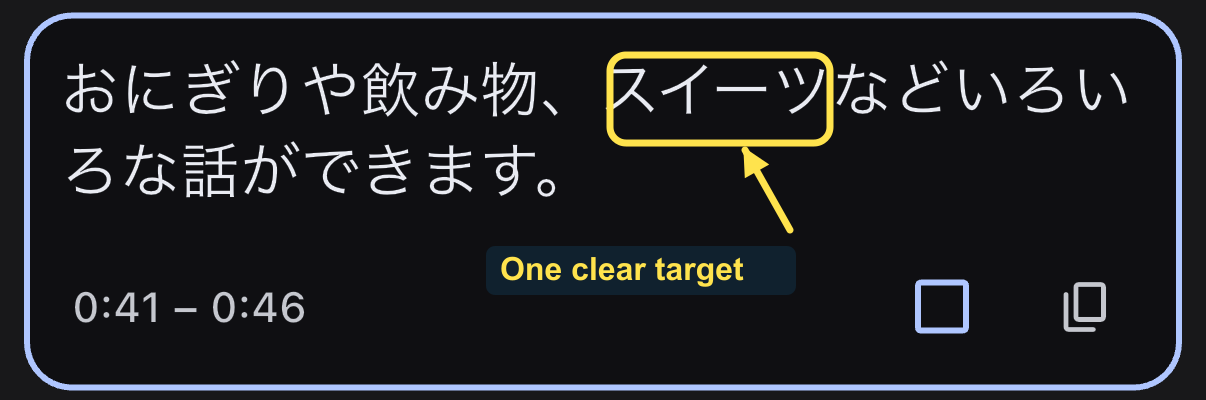
In our YouTube walkthrough, the speaker mentions おにぎり, 飲み物, and スイーツ while discussing convenience stores. スイーツ means sweets, including desserts and candy.
If you understand the surrounding line and enjoy videos about food or shopping, this is a reasonable card to save. You have a clear meaning and a situation to connect it to.
If you already recognize the word reliably, you can leave it alone. You do not need a new card just because the save button is available. A different meaning or useful phrase could justify another example, but an identical card usually adds little.
Skip for now when the whole example is unclear
Consider 無人島, meaning uninhabited island or desert island. Our combined-subtitle example asks what you would choose if you could take one convenience-store item to an island.
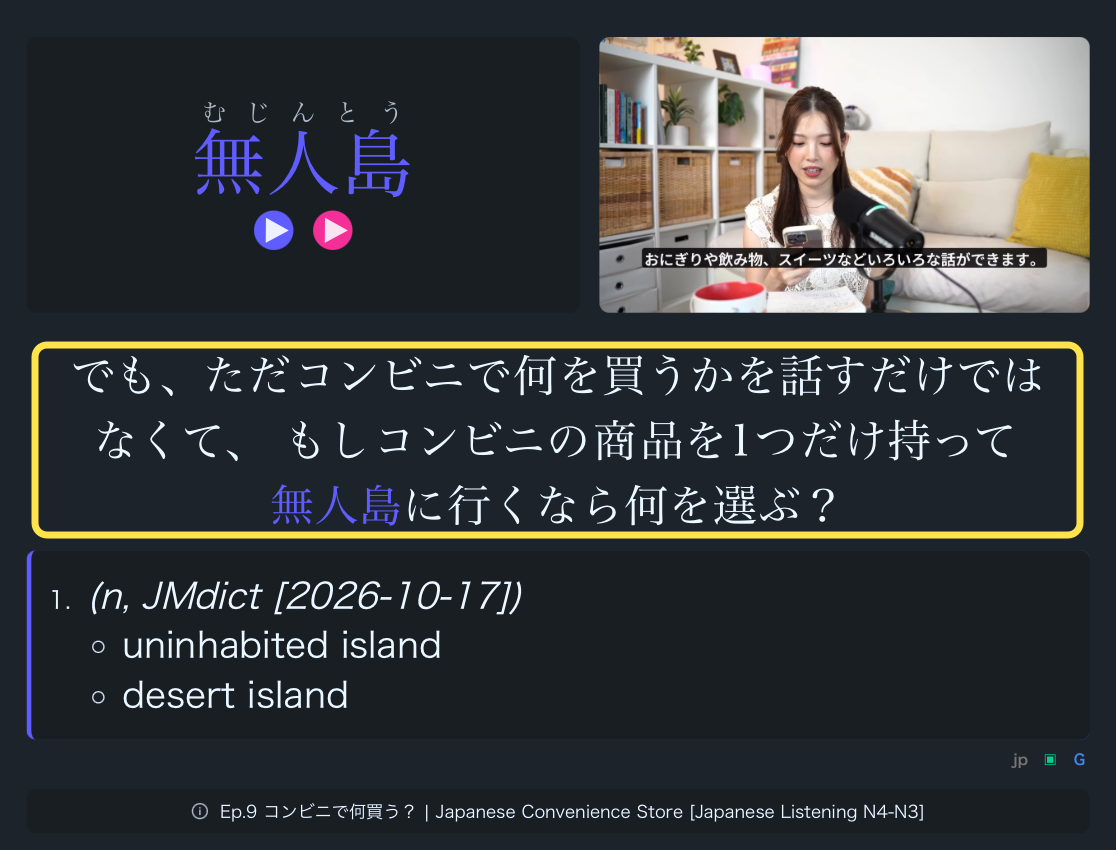
For someone who follows the question and likes travel or survival stories, that may be useful. For someone still struggling with several words and the conditional structure, it may be too much for one review.
The word is not bad. The example may just be a poor fit today. Look it up, understand what you can, and keep watching. You can save a clearer example later.
There is no need to enforce an exact one-unknown-word rule. But if every clause needs another explanation, choose a simpler passage. Likewise, a character's name or invented place does not need a card unless remembering it serves your own goal.
Keep enough context, then check the actual card
Keep the part that makes the meaning clear. A fragment may leave you guessing, while a long paragraph may turn one word into a reading exercise. When a thought crosses subtitle boundaries, combine the adjacent lines rather than saving only its final fragment.
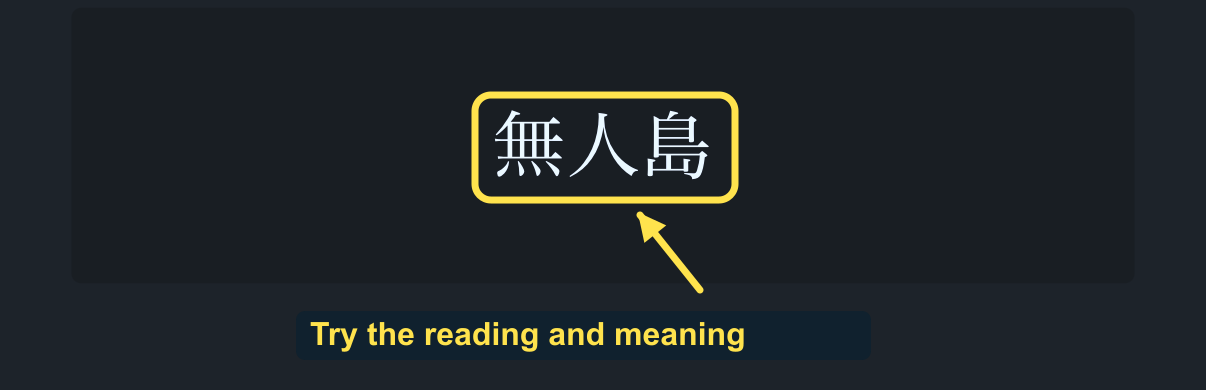
Check one card before collecting a batch. Try recalling the reading and meaning from the question side, then reveal the answer. The screenshot below is a preview of the real Manatan-NoteType card, not a graded review.
In a study of foreign-language vocabulary pairs, repeated recall improved later retention compared with dropping successfully recalled items from further tests. That supports practising recall, not merely rereading answers. It does not establish a particular sentence-mining quota.
On the answer side, check that the dictionary meaning fits the source sentence. If audio is included, make sure it is the passage you intended to keep. Our Manatan SRS guide covers saving and reviewing cards.
Let your reviews set the pace
Before adding more, look at what is already waiting. New cards and Due reviews are separate counts. The screenshot shows this demonstration collection, not numbers you should aim for.
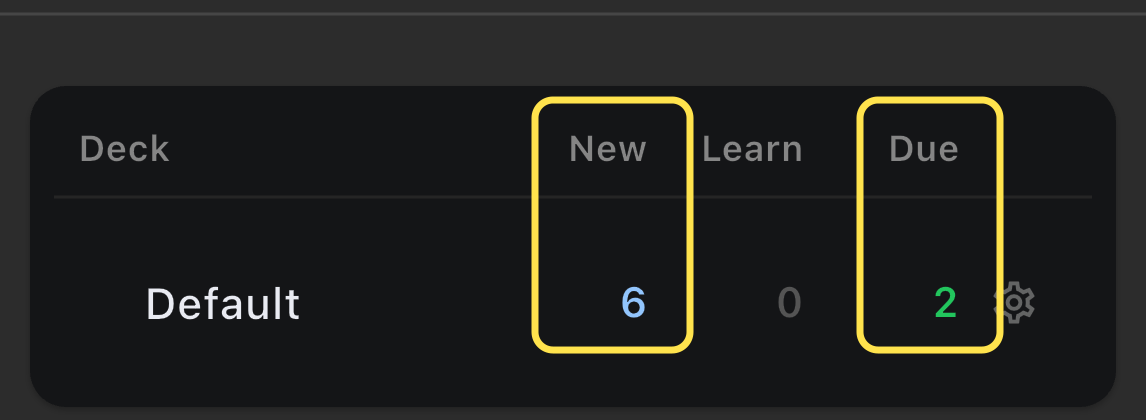
If reviews are crowding out reading or listening, reduce new cards or take a break from adding them. You can still enjoy Japanese and use the dictionary without saving anything.
If one card repeatedly feels confusing, inspect its context and meaning before blaming your memory. A clearer example may serve you better than repeatedly forcing the same unclear prompt.
Finish the session with a few examples you actually want to revisit, or none. Keep the story moving.