- Format
- Movie
- Episodes
- 1
- Episode Duration
- 94 mins
- Status
- Finished
All details and tags
Details
- Type
- Movie
- Format
- Movie
- Episodes
- 1
- Episode Duration
- 94 mins
- Status
- Finished
- Start Date
- Nov 15, 2006
- Season
- 2006
- Ratings
- 0
- Popularity
- 0
- Favorites
- 0
- Reviews
- 0
- Producers
- ADR Productions
- Genres
- Documentary
- Country
- FR
Description
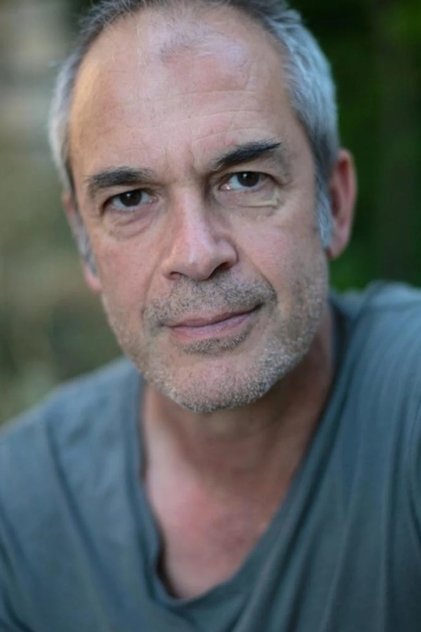
Jean-Christophe Klotz was a cameraman for a French broadcast news service in 1996 when he was sent to Rwanda to cover the growing violence between ruling Hutus and rival Tutsi tribespeople. What Klotz saw profoundly shocked him, as bodies littered the sides of the roads and bloody massacres became the order of the day. In between interviews with government officials and United Nations forces vainly struggling to contain the violence, Klotz captured the mayhem on film, believing that if world leaders saw what was happening, they would step forward to stop the violence. When Klotz was injured while filming an attack, he was sent back to Paris, and while his footage was aired, French forces only belatedly arrived, ultimately doing more to protect those who caused the massacre than bringing them to justice. Years later, Klotz used his footage to help identify some of the victims of the killings, and in 2006 he returned to Rwanda to visit the nation after the violence had ceased.
Immersion
JapaneseLoading episode and chapter coverage…
Staff
Recommendations
No recommendations yet. Add the first one.