- Format
- Movie
- Episodes
- 1
- Status
- Finished
All details and tags
Details
- Type
- Movie
- Format
- Movie
- Episodes
- 1
- Status
- Finished
- Start Date
- Mar 3, 2002
- Season
- 2002
- Average Score
- 70%
- Mean Score
- 70%
- Ratings
- 1
- Popularity
- 1
- Favorites
- 0
- Reviews
- 0
- Producers
- Decca
- Genres
- Music
Description
L'elisir d'amore (The Elixir of Love) is a comic opera (melodramma giocoso) in two acts by the Italian composer Gaetano Donizetti. Felice Romani wrote the Italian libretto, after Eugène Scribe's libretto for Daniel Auber's Le philtre (1831). Written in haste in a six-week period,[1] L'elisir d'amore was the most often performed opera in Italy between 1838 and 1848[1] and it has remained continually in the international opera repertory. Today it is one of the most frequently performed of all Donizetti's operas: it appears as number 13 on the Operabase list of the most-performed operas worldwide in the five seasons between 2008 and 2013.[2] There are a large number of recordings. It contains the popular tenor aria "Una furtiva lagrima," a romanza that has a considerable performance history in the concert hall.
Immersion
JapaneseLoading episode and chapter coverage…
Characters


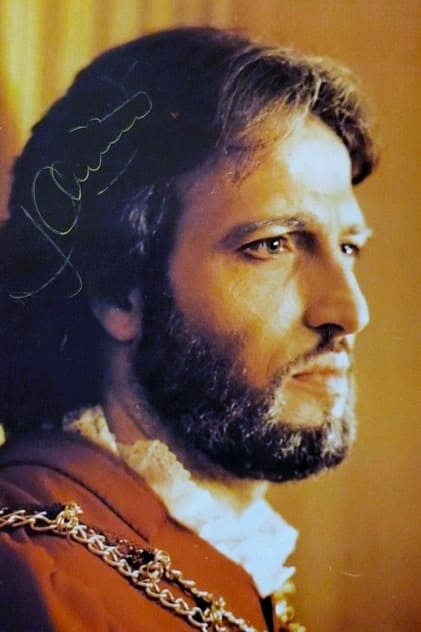

Staff

Recommendations
No recommendations yet. Add the first one.